
USE CASE
Account Takeover Prevention (ATO)
Account takeover protection that stops automated credential-stuffing and AI-driven ATO attacks with real-time visibility, behavioral detection, and active defense across your APIs.
In an era where APIs drive most digital interactions, businesses face growing pressure to secure authentication flows and protect sensitive user data. Account Takeovers occur when an attacker gains unauthorized access to a legitimate account to steal data, make fraudulent purchases, or use the compromised account to launch further attacks. That makes account takeover prevention inseparable from account takeover fraud prevention: the same automated login attacks that compromise credentials are the ones that drive chargebacks, loyalty theft, and downstream fraud.

How Account Takeover Attacks Work
1
Harvest Credentials
Collect usernames and passwords from data breaches, dark web marketplaces, phishing campaigns, or malware-infected systems.
2
Automate Attacks
Launch credential stuffing or brute-force attacks, using botnets to iterate thousands of login combinations against APIs and login portals.
3
Exploit Weaknesses
Collect weak or reused passwords, authentication misconfigurations, and endpoints lacking proper rate limiting to validate compromised accounts.
4
Monetize Access
Theft through financial fraud, loyalty points, fraudulent transactions, or resale on underground forums.

Agentic AI is Transforming ATO
Agentic AI has raised the stakes for account takeovers. Unlike traditional bots with static rules, AI-powered bots adapt in real time—rotating device fingerprints, modifying headers, and mimicking human behavior to evade detection. They analyze error codes and lockout policies on the fly, shifting strategies to bypass defenses and even exploiting MFA through token theft or reverse proxy phishing. Some use adversarial machine learning to probe fraud models. Combined with AI-driven phishing, deepfakes, and chatbots, these techniques make ATO attacks faster, stealthier, and far more effective. Static rules and rate limits cannot keep pace, which is why effective ATO prevention now depends on behavioral analysis rather than fixed signatures.



Impacts of ATO: The Case for Account Takeover Fraud Prevention
Account Takeovers are ranked #2 in the OWASP API Security Top 10, and create cascading financial and operational impacts. Businesses face financial losses from fraudulent transactions, chargebacks, and remediation efforts. Customer support teams can become overwhelmed handling account recovery requests and fraud disputes, resulting in operational strain. Perhaps more damaging, organizations risk losing long-term customer trust, which can lead to churn after a high-profile incident.

Direct Losses
Fraud, chargebacks, remediation

Loyalty Abuse
Points theft & resale

Support Overload
Account recovery & dispute volume

Trust & Churn
Long‑term brand damage
Real-World Account Takeover Examples
PayPal
Large‑scale credential stuffing attack tested reused passwords via automated bots against API flows, highlighting weak defenses against API-based brute force.
Roku
15k+ accounts compromised using stolen third‑party credentials, with profiles resold on dark web markets to stream content fraudulently.
Chick-fil-A
Rewards account infiltration via credential stuffing bots, with balances resold—highlighting loyalty program abuse.
Learn more about loyalty program abuse
How Cequence Delivers Account Takeover Prevention
Cequence helps organizations discover and prevent account takeover attacks with the Cequence platform an account takeover solution that employs a network-based approach to discover APIs, document their behavior, understand data flows and business context, and block attacks. Detection and account takeover mitigation happen inline, so malicious logins are blocked without adding friction for legitimate users.
API Discovery & Inventory for ATO Prevention
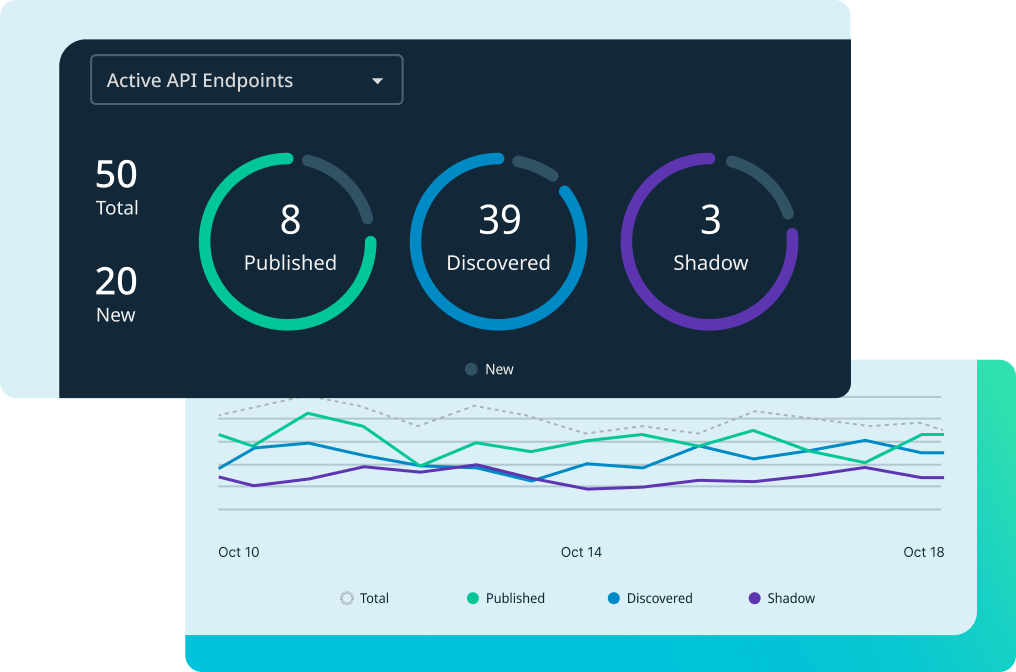
Cequence discovers login and other APIs that may be targeted by ATO attacks and develops an inventory including automatically creating API specs if they don’t currently exist. The comprehensive inventory provides visibility and understanding of the API behavior necessary to detect and prevent malicious activity.
Behavioral Fingerprinting (ML) for Real-Time ATO Protection
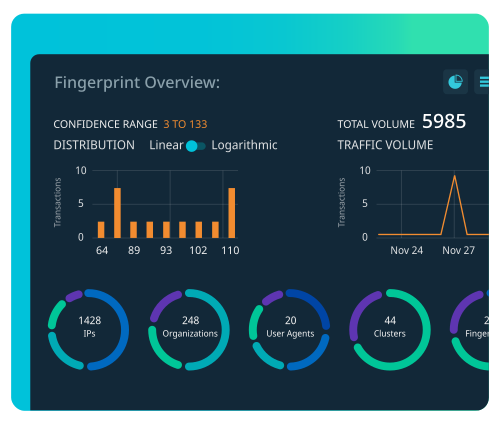
Cequence utilizes behavioral fingerprinting to group similar API transactions based on combinations of characteristics including the tooling used (such as browser type and version), infrastructure (such as proxies), and credentials, and employs ML to analyze behavior and accurately identify malicious behavior. Cequence can accurately detect both high-volume and low-and-slow attacks and can track attacks even as they evolve to avoid detection.
What to Look for in an Account Takeover Prevention Solution
Not all account takeover solutions detect the same attacks. When evaluating account takeover prevention solutions, security and fraud teams should look for:
- API-layer coverage. Login flows increasingly run through APIs and mobile clients rather than browser forms alone. A solution that only inspects web traffic will miss API-based credential stuffing entirely.
- Behavioral detection instead of static rules. Signature matching and rate limiting fail against bots that rotate fingerprints and pace their requests. Look for machine learning that analyzes behavior across sessions to establish intent.
- Resilience against agentic AI. Ask whether the platform detects adaptive bots that change tactics mid-attack, including MFA evasion through token theft and reverse proxy phishing.
- Low-friction ATO mitigation. Effective account takeover mitigation blocks attackers inline instead of pushing CAPTCHAs and step-up challenges onto legitimate customers.
- Discovery of unknown login endpoints. You cannot protect an authentication API you do not know exists. Continuous discovery and inventory should be built into the platform rather than run as a separate project.
Account Takeover Prevention FAQs
Account takeover prevention is the practice of detecting and blocking attempts to gain unauthorized access to legitimate user accounts, usually through credential stuffing, brute force, or credentials harvested by phishing. Effective ATO prevention combines discovery of every authentication endpoint, behavioral analysis of login traffic, and inline mitigation that stops malicious attempts before they succeed.
The two overlap. Account takeover prevention focuses on stopping unauthorized access at the point of authentication. Account takeover fraud prevention focuses on the downstream monetization of that access, including fraudulent transactions, chargebacks, and loyalty point theft. Because the same automated attacks drive both, the login attempt is the most efficient place to prevent the fraud that follows.
At a minimum, an account takeover solution should discover and inventory every login and authentication API, analyze behavior to separate real users from bots, and mitigate attacks natively rather than handing off to another tool. Coverage should extend across web, mobile, and API channels, because attackers target whichever surface is least defended.
Account takeover mitigation should act on behavior rather than on single signals such as IP reputation. Behavioral fingerprinting groups transactions by tooling, infrastructure, and credential patterns, which supports high-confidence blocking of automated attacks while legitimate customers log in without challenges or added latency.
Additional Resources


Cequence Security application and API protection experts will show you how we can help you improve your security posture with a personalized demo. Nothing to deploy. All we need is your email.