
USE CASE
Sensitive Data Exposure
Prevention for APIs and AI
Prevent sensitive data exposure across APIs, applications, and agentic AI — without slowing innovation.
The rapid growth of applications and APIs has accelerated data sharing across internal and external systems, but it has also increased the risk of sensitive data exposure. Organizations must implement safeguards that prevent leakage without hindering business operations. Preventing sensitive data exposure is essential for meeting regulatory and compliance mandates, enforcing privacy policies, and preserving customer trust.

What Is Sensitive Data Exposure?
Sensitive data exposure happens when confidential information, such as personally identifiable information (PII), health records, payment card data, credentials, or intellectual property, becomes reachable by someone who should not have access to it. In cyber security, sensitive data exposure is treated as a vulnerability rather than an incident: the data has been left accessible, but nobody has necessarily taken it yet. A data breach is what happens when an attacker walks through that open door.
For API-driven businesses, most sensitive data exposure now happens in traffic rather than in storage. An endpoint returns more fields than the client application displays, an integration passes a full customer record where an identifier would do, or an AI agent chains calls that assemble a complete profile out of responses that each looked harmless on their own.
Excessive Data Exposure and API Exposure
Excessive data exposure is the API-specific form of the problem, listed as API3:2019 in the OWASP API Security Top 10. It describes an API that returns whole objects and leaves the client to filter what the user sees, which means the sensitive fields are still sitting in the response body for anyone inspecting the traffic. The 2023 edition folded excessive data exposure into API3: Broken Object Property Level Authorization. Reducing API exposure means controlling what each endpoint returns, to which caller, and under which conditions.

Agentic AI Raises the Stakes for Sensitive Data Exposure
Unlike traditional applications, autonomous AI agents can initiate actions, chain API calls, and interact with third-party systems without direct human oversight. This autonomy expands the attack surface and increases the risk of inadvertent sensitive data exposure.
Organizations can harness the power of agentic AI without sacrificing data security by using:
- Context-aware controls
- Least-privilege access
- Dynamic masking or tokenization
- Continuous monitoring of agent activity

Financial Losses
Regulatory fines, legal action, or financial losses from breach remediation and brand damage

Legal & Compliance
GDPR, HIPAA, PCI DSS violations may occur if sensitive customer data is exposed

Loss of Intellectual Property
May give competitors or attackers access to trade secrets, source code, or financial strategies

Eroded Trust
Cause customers and partners to lose confidence in the organization’s ability to safeguard information
How to Prevent Sensitive Data Exposure
Effective sensitive data exposure prevention works at the layer where the data actually moves. Most programs combine the same set of practices:
- Know what every API returns. Inventory internal, external, and third-party endpoints, then classify the sensitive fields that appear in real payloads rather than the ones documented in the specification.
- Return only what the caller needs. Filter server-side so each response carries the minimum set of fields, and never rely on the client application to hide the rest.
- Mask or tokenize at the API layer. Protect values in transit so analytics, testing, and downstream systems keep working without handling raw sensitive data.
- Enforce least privilege for users, services, and agents. Scope access per caller and per action so one compromised credential cannot assemble a complete record.
- Monitor traffic continuously and block on policy. Watch for unusual volumes, call sequences, and field combinations, then stop the response before the data leaves the network.
How Cequence Prevents Sensitive Data Exposure
Cequence API Security, a core component of the Cequence Platform, uses a network-based approach to discovering APIs and data flows, with deep packet inspection that enables identifying sensitive data and potentially masking it or blocking exfiltration.
Identification: Find Sensitive Data in API Traffic
Cequence identifies over 330 predefined expressions in over 70 regional categories in API payloads. Customers can configure custom regular expressions for values to be masked specific to their business. Sensitive data use cases could include health information, financial information such as such as credit card numbers, and personal information such as social security numbers and physical addresses.
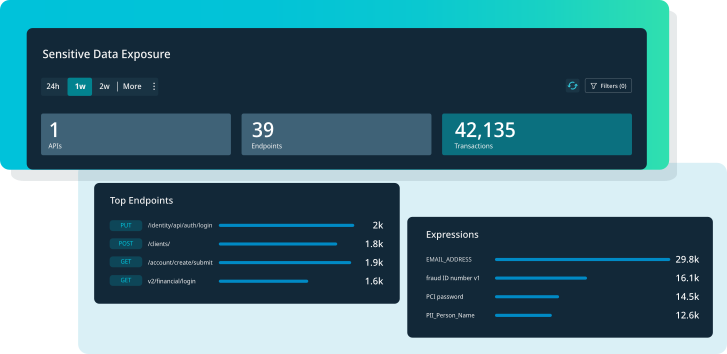
Masking: Protect Sensitive Data in API Responses
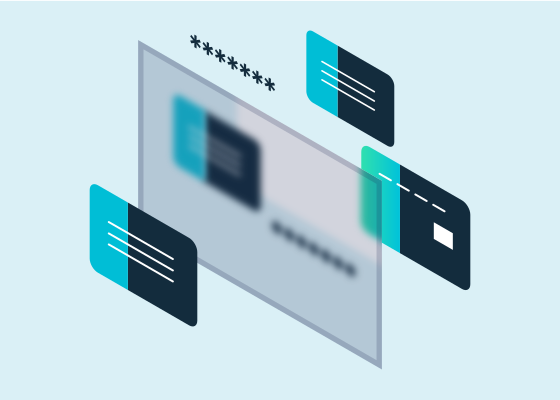
Cequence provides data masking capabilities that protect sensitive information from unintended exposure at the API layer. Organizations can include or exclude specific fields for masking based on parameter names within the API payload, enabling precision targeting of sensitive data. Masking is performed with Format Preserving Encryption (FPE), enabling the data to retain semantic similarity to the original values, preserving downstream functionality such as API specification generation, sensitive data classification, and behavioral analysis. Learn more about Cequence’s data masking.
Prevention: Block Sensitive Data Exposure Before It Leaves
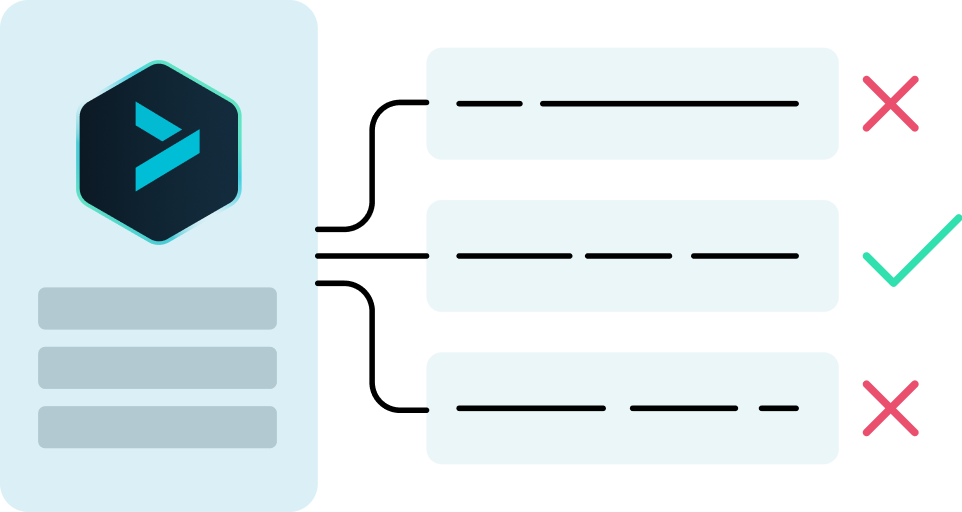
Cequence can also block unintended sensitive data exposure. Organizations can create policies from predefined or custom expressions to prevent sensitive data from leaving an API and the network. Cequence’s network-based approach and native mitigation capabilities ensures protection without relying on third-party tools.
Additional Resources

Cequence Security application and API protection experts will show you how we can help you improve your security posture with a personalized demo. Nothing to deploy. All we need is your email.